


 print
printAuthor: Ashlee Wachtel, Tailored Livestock Consulting
Lambing is one of the most critical periods in a sheep enterprise, and paddock selection and mob size are two essential and controllable drivers of lamb survival.
More than 70 percent of lamb mortality between birth and weaning occurs within the first 48 hours of life, with starvation, mismothering and exposure accounting for a large proportion of these losses. Encouragingly, these are risks producers can actively manage through practical management decisions.
At the core of improving lamb survival is a simple principle. Keep the ewe where she lambs.
When ewes remain close to the birth site for up to 6 hours, the ewe and lamb bond is more likely to establish successfully. Movement away from this site increases the risk of separation, particularly while lambs are young and vulnerable. It also increases interaction with other ewes and lambs, which can lead to mismothering through interference, separation, or rejection.
Feed availability is a key driver of ewe movement. When Feed On Offer (FOO) is too low, ewes must walk further and graze for longer to meet their nutritional needs, increasing time away from the birth site. Adequate pasture supports ewe condition, milk production, and reduces unnecessary movement.
Disturbance also contributes to ewe movement. Weather events, livestock pressure, and management activities can cause ewes to drift across the paddock. This can concentrate lambing activity in smaller areas, increasing density of ewes, and reduce access to shelter, all of which increase mismothering risk.
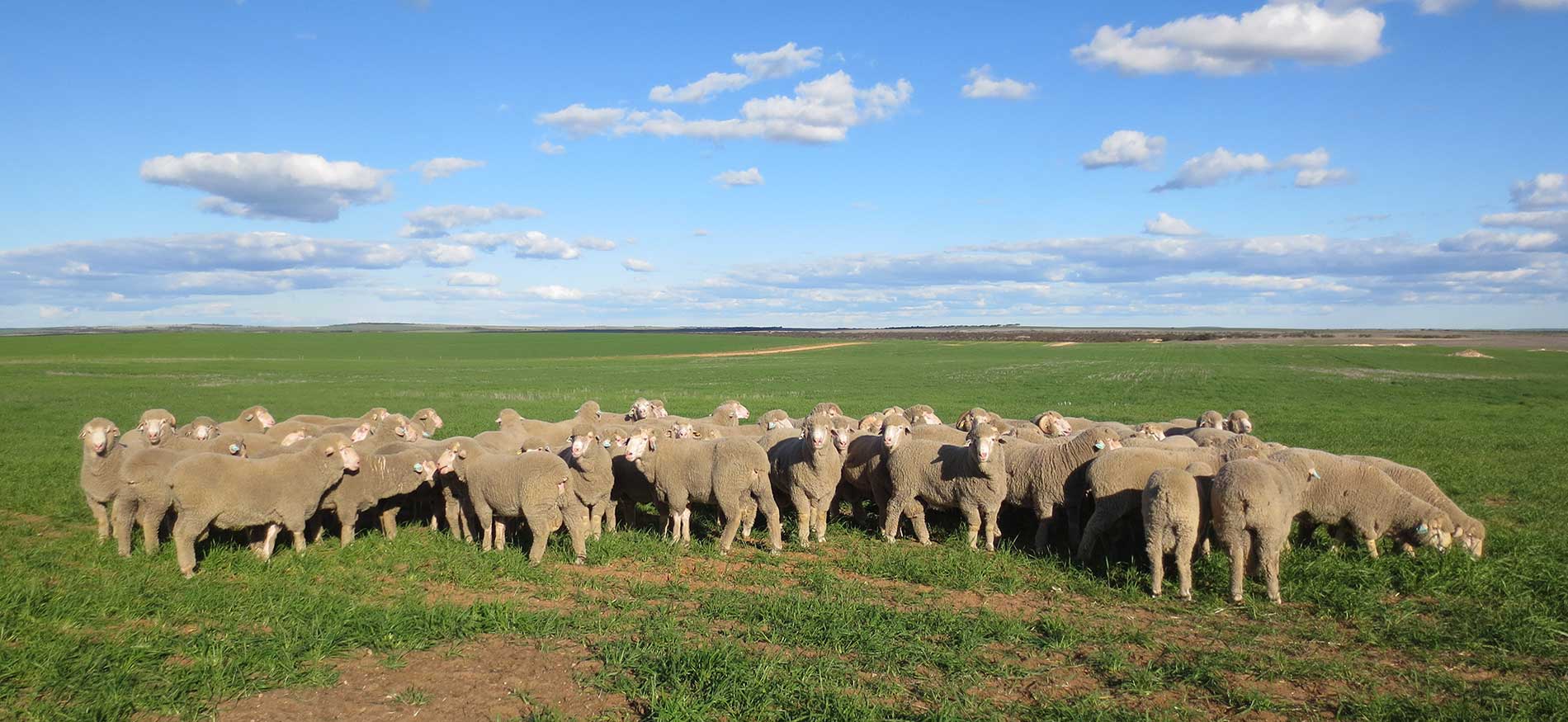
Mob size is a critical tool in managing these interactions. Ideally, average mob sizes at lambing are less than 300 ewes for singles and less than 150 for twins, although these targets are not always economically achievable for every enterprise. It can be difficult to attain smaller mob sizes without major changes to fencing and infrastructure. A practical way to manage this is by setting up temporary fences to subdivide paddocks. Research has shown that single-bearing mobs should be as low as practical, with twin-bearing mobs 50% smaller than single-bearing mobs and triplet-bearing mobs 30% smaller than of twin-bearing mobs.
Reducing mob size allows ewes to lamb with less interference, limits movement, and reduces mismothering.
Shelter plays a major role in lamb survival. Lambs are highly susceptible to cold, wet and windy conditions, and exposure can quickly become fatal when energy loss exceeds intake. Well sheltered paddocks reduce this risk and can help offset less than ideal conditions in other areas such as lower feed availability or larger mob sizes.
Not all paddocks are equal at lambing time. The best paddocks often combine shelter, favourable topography, and low disturbance. These may include areas with trees, natural contours, or ground cover such as dry grass. Some paddocks consistently achieve better lamb survival results across seasons for reasons that are not always obvious.
Recording lambing outcomes at a paddock level is critical to identify these differences. Without this information, it is difficult to make informed decisions and improve performance over time.
Lamb survival improves when the basics are done well. Adequate feed, smaller mobs, good shelter, and thoughtful paddock selection work together to keep the ewe where she lambs and give lambs the best chance of survival.