


 print
printStock Journal Technical Column, September 2026
Author: Emma Shattock, Elders Livestock Production Advisor
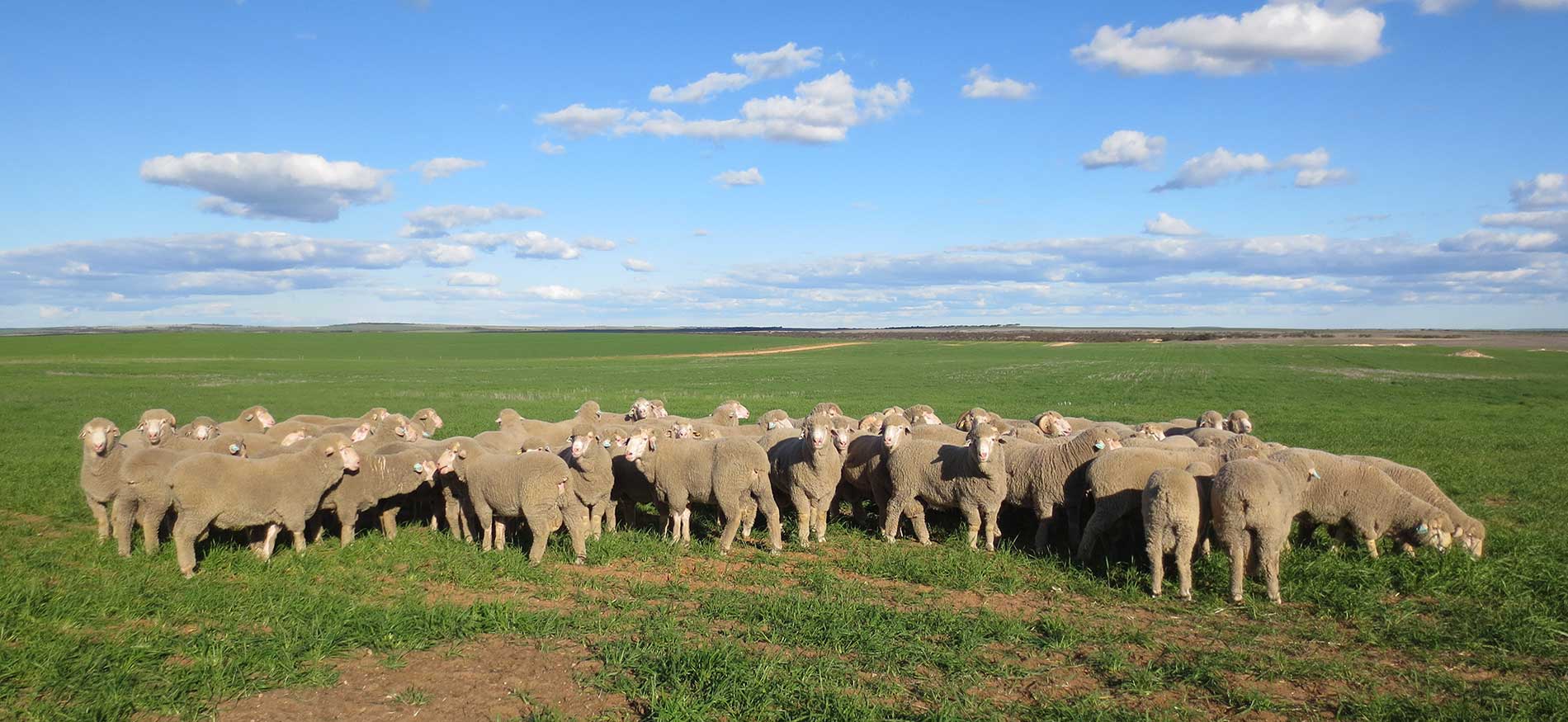
There is no denying the importance of green pasture in a livestock production system. The ability to meet the nutritional requirements of sheep for growth, reproduction and wool production is much easier when abundant green feed is available. However, rich green pasture can bring its own set of challenges that, if left unmanaged, may result in in production losses, animal health issues and, in severe cases, death.
Rather than adopting a blanket ‘green is good’ approach, producers should focus on understanding the pasture quality. While green feed is typically high in protein and digestibility, it is often low in fibre and dry matter. This means it passes through the digestive tract more quickly, reducing the time available for adequate digestion and nutrient utilisation.
One consequence of this is an increased risk of nitrate and nitrite poisoning. Lush green feed can contain high levels of nitrates, particularly when plants experience cold temperatures, overcast conditions or rapid growth. When intake exceeds the capacity of rumen microbes to process them, nitrates and nitrites can accumulate, leading to scouring, inflammation or death due to hypoxia.
Mineral nutrition is another important consideration. Magnesium deficiency is commonly associated with lush green feed, particularly in highly fertilised pastures. In addition, trace mineral deficiencies can occur in rapidly growing pastures, on inherently deficient soils or where nutrients have been leached following high rainfall. Feed and plant tissue testing can be helpful to identify these issues.
Weeds can create further challenges. Plants such as capeweed and kikuyu often have high nitrate levels while marshmallow (Malva parviflora) has been associated with staggers. Soursobs (Oxalis pes-caprae) are another example, containing oxalic acid that binds with calcium, reducing availability to the animal.
Vaccination programs should also remain a priority. Pulpy kidney (enterotoxaemia), is commonly associated with rapidly growing stock on lush feed. These conditions can cause the naturally occurring clostridial bacteria to multiply rapidly and release toxins, leading to sudden death. At a minimum, sheep should receive two appropriately timed vaccinations in their first year, followed by annual boosters to maintain immunity. Additional boosters are often recommended before high-risk periods, such as moving stock onto high quality, lush pasture.
Worm burdens often increase while green feed is available. Cool, damp conditions favour worm larvae survival, increasing populations on pasture and in the animal. Lambs and lambing ewes are most at risk, and worm burdens can quickly erode the production benefits generated by quality feed. Regular monitoring through faecal egg counts and targeted treatment programs is essential.
The good news is that many green feed-related issues can be prevented or minimised through careful management. Simple steps such as maintaining vaccination programs and gradually transitioning stock onto lush pastures are crucial. Balancing the feed by providing adequate roughage and appropriate mineral supplementation can significantly reduce risk. Feed testing can help identify nutritional gaps and guide supplementation decisions, while regular monitoring allows producers to detect problems before they become serious. Your local advisor or veterinarian can be a useful resource to develop a tailored management plan.
Ultimately, green feed should be viewed as an opportunity rather than a guarantee. By understanding the potential pitfalls and taking a proactive approach to management, producers are far more likely to capitalise on the production gains that quality pasture can deliver.