


 print
printStock Journal article - December 2025 and January 2026
Author: Dr Jim Walsh, Coopers Animal Health
Footrot is an infectious disease of sheep, occurring throughout Australia but is most prevalent in the medium to high rainfall areas. Dichelobacter nodosus is the bacteria which causes footrot which thrives in moist, warm conditions.
The footrot bacteria need the hooves of infected sheep to survive, and can survive indefinitely in pockets of infection inside the feet of infected animals, even under dry conditions. However, the bacteria cannot survive for more than 14 days in soil.
There are many strains of the footrot bacteria which vary in their ability to cause disease.
Severity of footrot depends on three factors:
- Strain of footrot bacteria: Benign strains never cause severe disease. In contrast, highly virulent strains will cause severe disease when the environment favours their spread and development in feet.
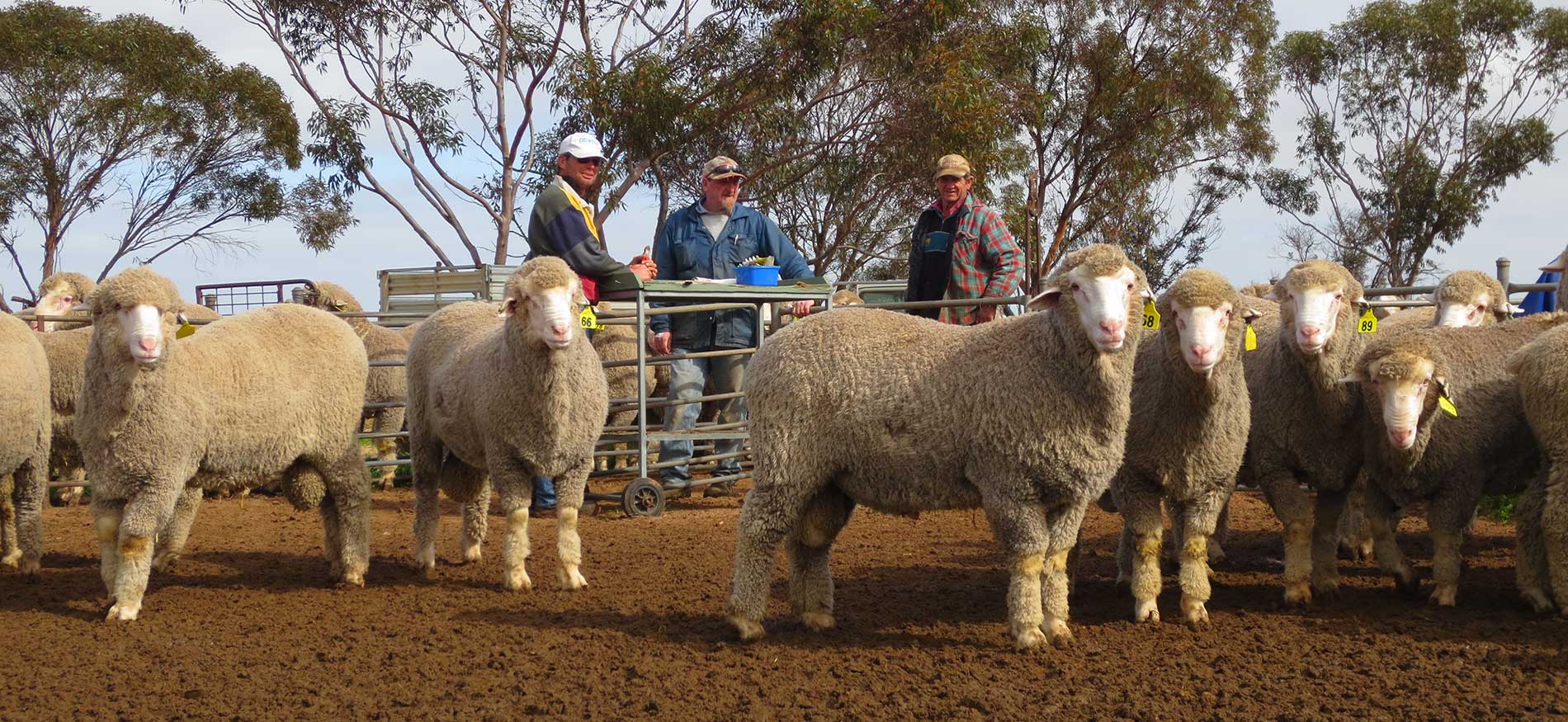
- Sheep factors: Some breeds of sheep are more resistant to footrot than others. For example, British breed sheep are not as predisposed to having badly affected feet even when infected with virulent strains of footrot. In contrast, Merinos tend to be badly affected when infected with virulent strains. Even within the one breed of sheep, some sheep are more resistant to footrot than others.
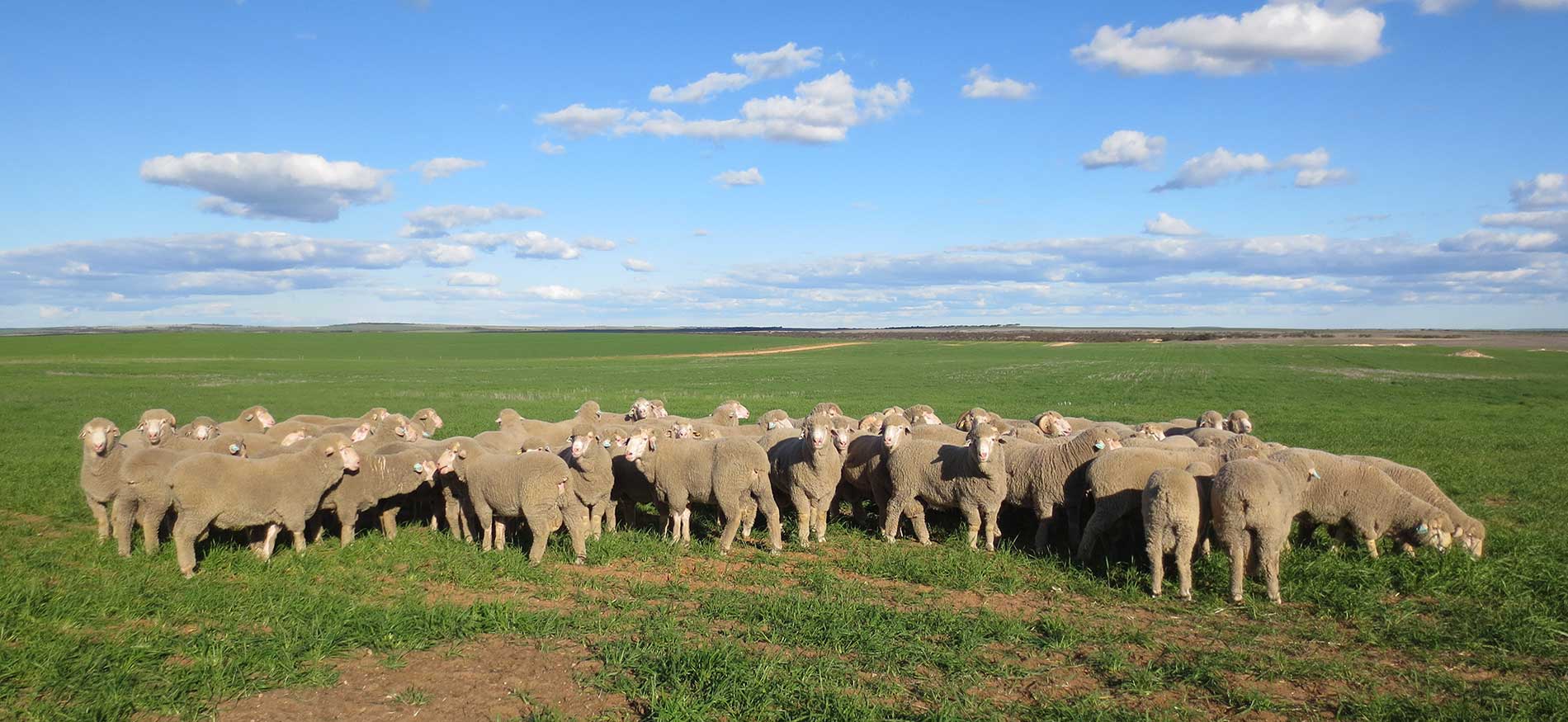
- Environmental factors: Moisture and temperature are important factors affecting the transmission and expression of footrot. Footrot will not spread under hot, dry conditions. The main footrot spread period is during wet autumns, mild winters and spring.
Lameness is often the first sign of footrot. There are several other conditions which cause lameness, which means it is essential to make a proper diagnosis. An incorrect diagnosis may lead to substantial economic losses due to inappropriate management.
Footrot diagnosis can be difficult. Seek expert advice from your local PIRSA Animal Health Officer.
While eradication programs can vary from farm to farm to suit individual needs, they all have four basic stages:
- Planning: There is no point in attempting an expensive eradication program if your sheep are quickly re-exposed to infected sheep. Considerations to biosecurity must be made. A good plan includes understanding and consideration of the farm’s facilities as well as the management, flock structure, labour and finances required to control footrot.
- Control: Footrot needs to be controlled during the spread period so that the infection in the flock is reduced to a level where eradication is feasible. The aim of control is twofold. Firstly, to have as few infected sheep as possible at the start of the eradication stage.
Secondly, control is necessary to prevent production losses and for the welfare of the sheep. Control during a spread phase is achieved by either vaccination or regular footbathing or a combination of both. The choice between control methods is very complex so seek expert advice. Information on vaccination options and best practice will follow in a later article. - Eradication: The aim of the eradication phase is to identify and remove all the remaining infected sheep from the flock when footrot is not spreading. Removing all infected sheep prevents them reinfecting the clean sheep during the next spread period (warm and wet weather).
- Surveillance and Biosecurity focus: Surveillance and monitoring are essential once a mob has gone through the intensive control and eradication program to ensure footrot has been eradicated and good biosecurity practices implemented to prevent reinfection.
Vaccination against footrot is a tool that can by used be producers in their control programs to help and minimise the impact of footrot in flocks during spread periods. Vaccination boosts a sheep’s immunity against infection.
Coopers® Ovilis® Footvax® is a registered vaccine to aid in the control of footrot in sheep. It is a killed multi-serotype (10 strain) vaccine that does not require identification of strain types on farm. Effective vaccination1 can provide protection against spread of up to 80%2 of the flock and cure around 60%3 of infected sheep. Following two vaccinations at least 6 weeks apart, sheep are protected against footrot for up to 10-12 weeks in merinos and up to 16 weeks in British breeds. Effective immunity is developed after the second dose. Further booster vaccinations if required, up to 12 months later, will again give a similar protection period.
Depending on the area, a booster vaccination may be required after 10-12 weeks protection period, if conditions are still suitable for footrot spread. If conditions are drying out, footbathing weekly until conditions are dry will be sufficient. If pastures are likely to be green for more than 4-6 weeks a further vaccination may be justified. Discuss the most appropriate approach with your animal health adviser.
Given that the protection provided by the vaccine is short term, timing of a vaccination program is critical and the booster vaccination needs to be timed just before the expected start of the spread period, so sheep have high levels of immunity when they are most susceptible to getting footrot.
In flocks where eradication is not possible due to lack of a dry period (allowing inspection and culling) or the ongoing risk of reintroducing infection due to poor biosecurity or trading practices, vaccination may need to be continued on an annual basis during the spring spread period.
The inability of the vaccine to give total protection or cure all affected sheep, means vaccination is only part of a well-planned footrot program. Vaccine use is extremely valuable in situations where sheep cannot be footbathed regularly, such as with lambing ewes, extensive properties where mustering is difficult or any property where labour shortages or facilities preclude effective footbathing. The effective use of a vaccine can reduce the use of footbathing and can therefore be very cost effective. The best control can be achieved with a combination of vaccination with footbathing.
The recommended vaccination site is under the skin behind the ear to minimise carcase damage. Some vaccinated sheep may develop a reaction in response to vaccination with swelling appearing at the vaccination site and in some cases abscesses may develop. Follow the Footvax label directions for vaccination best practice.
Safe vaccination technique should be followed when using Footvax. If self-vaccination does occur immediate medical care should be sought from your closest GP or hospital. Please contact MSD Animal Health on 1800 226 511 for information if self-vaccination occurs.
When using the vaccine in South Australia, if a farm is wanting to get a footrot clearance through the Department of Primary Industries and Regions the vaccine must not be used within 6 months prior to the clearance inspection.
Note: Footvax is authorised for use in Victoria, South Australia and Tasmania. (Approval is required in NSW and WA).
REFERENCES
1. Current approaches to the management of ovine footrot Kim Abbott (2004).
2. Purdue, Footrot in Sheep and Goats.
3. Liardet et al (1989) Reduction of the prevalence of footrot on New Zealand farms with vaccination.