


 print
printStock Journal Feature Article: May 2026
Author: Deb Scammell, Talking Livestock
Meeting the energy needs of pregnant ewes as they approach lambing is critical to avoid metabolic issues, maintain ewe condition score and achieve lamb birth weights for survival.
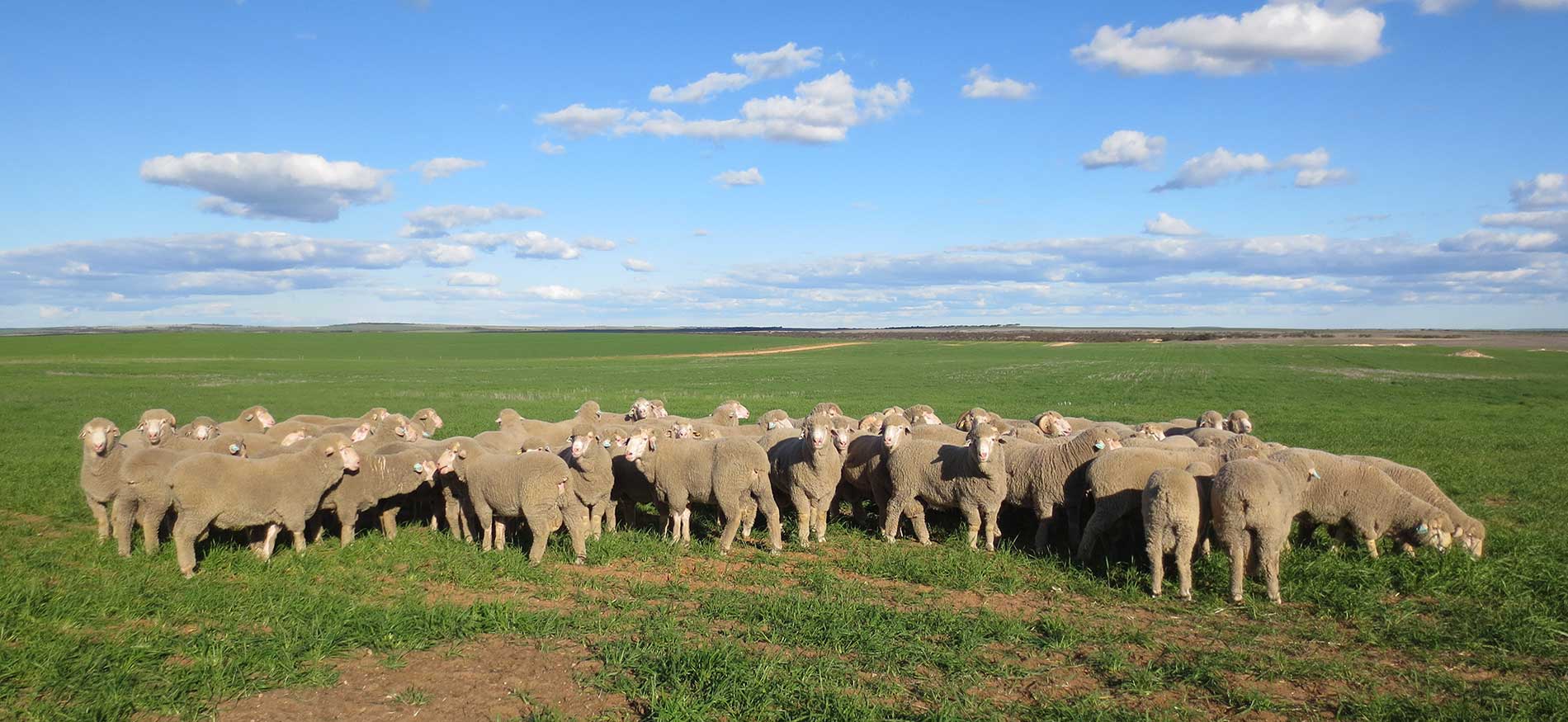
In most regions this season, ewes are lambing onto green feed, which is a shift from recent years. Early germinated pasture is typically very high in moisture (around 10% dry matter) and often short, limiting the ewe’s ability to achieve adequate daily intake. At this dry matter level, a ewe would need to consume approximately 15 kg of pasture (as fed) to meet a target intake of 1.5 kg dry matter/day, which is difficult to achieve.
As pasture has matured in most areas, dry matter content is now around 30–40%, and provided there is sufficient pasture height, it has become much easier for ewes to meet their intake and energy requirements.
The energy requirements of pregnant ewes increases with the number of scanned foetuses. At the point of lambing twin bearing ewes require 15% - 20% more energy than single bearing ewes, with triplets requiring more energy again.
When we assess pasture quantity for lambing, we can measure the feed on offer in Kg of dry matter (DM) per ha to determine if the ewes are likely to get adequate energy from pasture. Single bearing ewes at the point of lambing require 1200 – 1500 kg DM/ha of pasture, multiple bearing ewes require 1800 – 2000 kg DM/ha to meet energy targets. Pasture quality is also important to ensure that you are likely to meet targets. In many parts of South Australia even though we have green feed, quantity available is still under the pasture targets required for lambing.
If pasture quantity and quality isn’t adequate to meet lambing targets, supplementary feed may still be required. In most cases, a small amount of energy dense feed such as cereal grain, silage, high quality hay or full feed pellets is required for multiple bearing ewes lambing. Single bearing ewes in some cases, if pasture is close to hitting targets, can be supplemented with just good quality hay. When determining the supplementary feed amount, we can calculate the energy availability from the pasture and then satisfy the shortfall with supplement.
If ewes are being transitioned from containment or sacrifice paddocks into lambing paddocks, it is advisable this season to move them 3–4 weeks prior to lambing if possible. This allows sufficient time for ewes to adjust to the pasture base and any supplementary feeding program.
Ewes will often preferentially graze green feed on entry, however if this feed source does not meet their full energy requirements, it is important they return to consuming energy-dense supplements ahead of lambing. Ensuring this transition occurs reduces the risk of a shortfall of energy and helps minimise the incidence of pregnancy toxaemia.
Protein is critical during the last trimester of pregnancy to achieve lamb birthweight targets. If you have high quality and quantity of green feed, you are likely to easily achieve protein targets. If ewes are grazing drier pasture or cereal hay and grain-based rations, you may need extra legume grain or hay to achieve minimum protein targets. For multiple bearing ewes at the point of lambing the overall daily ration will ideally be around 14% protein. This allows the foetuses to grow to an adequate size (ideally 4.5 – 5.5kg) to achieve high lamb survival. Light smaller lambs, especially in suboptimal weather are likely to have much lower survival.
If you are still requiring supplementary feed over lambing, making sure ewes have already been exposed to grain feeders, trail feeding or hay is critical to ensure they access the feed type as soon as it is offered. The time taken to get ewes onto the supplementary feed required can be an issue if the pasture isn’t able to reach energy targets. Ideally purchased in ewes, or ewe lambs will be ‘imprinted’ onto the feeding method well before late pregnancy. If you’re breeding your own ewe lamb replacements, it’s worth training them as lambs with the ewes each year prior to weaning so they adapt quickly to the supplementary feeding method in the future.
While green feed has improved, it does not always meet the energy demands of lambing ewes, particularly for twins and triplets. Assessing feed on offer and pasture quality remains critical, and where shortfalls exist, timely supplementation and early paddock transitions are key. Getting energy and protein right in late pregnancy is critical for ewe health, lamb birth weights and survival.